Consumer Personas: Do They Build Communities or Shape Them?
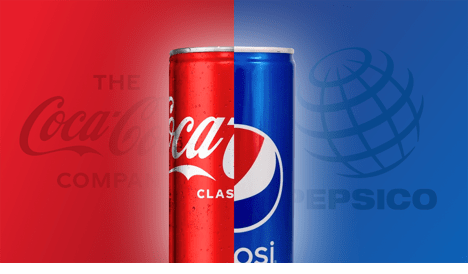
Have you ever noticed how certain brands are associated with specific personality traits, even when their products are nearly identical? A classic example is the long-standing rivalry between two of the world’s most recognizable soft drink brands: Coca-Cola and Pepsi. This competition has captured the attention of consumers worldwide and has even sparked a familiar question often asked in casual conversations: “Are you a Coca-Cola person or a Pepsi person?”
What makes this rivalry particularly interesting is that, in many ways, the two products are quite similar. Some might argue – controversially – that they share almost the same taste and texture. Yet despite these similarities, people often feel strongly about their preference for one brand over the other. This raises an intriguing question: what truly differentiates these two brands beyond their packaging and logos?
The answer lies not only in the product itself but also in the identity and personality that each brand has built around its consumers.
Beyond the Product: How Intangible Values Shape Brand Perception?
Coca-Cola and Pepsi have been nemeses for as long as most of us can remember, and their rivalry continues to play out through playful yet competitive marketing campaigns. The two brands have frequently mocked one another over the years, turning their competition into a form of entertainment for consumers. Earlier this year, Pepsi once again stirred the conversation during the Super Bowl with a disruptive campaign titled The Choice. The advertisement boldly featured Coca-Cola’s iconic mascot to poke fun at its long-term competitor. Brutal yet humorous, the 45-second commercial was heavy on sarcasm and quickly generated 25 million views on YouTube in just a snap for Pepsi – it was something to giggle about.
However, this ongoing rivalry raises an interesting question. Considering that Coca-Cola and Pepsi share almost identical product features – similar taste profiles, textures, and even pricing – what exactly is all the fuss about?
It all comes down to the invisible and intangible message that surrounds the brand’s aura.
For Coca-Cola, the brand is often associated with themes of nostalgia, togetherness, and family-oriented moments, frequently emphasizing a sense of unity. As Alloysius Francis – Hub Administrator at Opolo Global Innovation – describes, Coca-Cola has successfully positioned itself as a brand that celebrates shared experiences and emotional connections among people. Through campaigns centered on happiness, holidays, and family gatherings, the brand has built an identity that feels timeless and emotionally warm.
On the other hand, Tussle Digital describes Pepsi as a brand closely connected to pop culture, sports, and music. Its branding often reflects themes of youthfulness, energy, and adaptability – qualities that resonate strongly with the spirit of today’s fast-paced, digitalized generation. This has positioned Pepsi as a brand that is modern, bold, and closely aligned with contemporary youth culture.
Cracking The Code of Consumerism
The deeper meaning that a product carries can become a powerful driver of consumer behavior. A brand can represent far more than a single, mediocre consumption experience; it can embody values, identities, and emotions that resonate deeply with individuals. When consumers feel that a brand “speaks” to them in a way that no other brand does, their purchasing decisions often reflect that connection. This idea is captured in the phrase “I Buy, Therefore I Am”, which suggests that consumption can serve as a form of self-expression. Through the brands they choose, consumers communicate aspects of their identity and personal values – even when competing products offer products nearly identical features.
At the End of the Day…
In the end, we tend to choose the brands that resonate most strongly with our own personal “brand”. Whether you identify as an Apple or Microsoft user, feel more outdoorsy with Kathmandu rather than The North Face, or simply prefer PlayStation over Xbox, the brands we choose often reflect aspects of our identity. These choices do more than satisfy functional needs – they help shape how we see ourselves and how we present ourselves to others.
At the same time, the relationship works both ways. Just as consumers shape their identities through the brands they choose, brands are also shaped by the communities that support them. Together, brands and consumers co-create the shared meanings, values, and culture that define a brand community as a whole.
 The Marketing Lab
Leave a comment